PLAN YOUR EVERGLADES EXPERIENCE
Everglades Drought 2026: Captain Greg Shows CBS Miami Where 3 Feet of Water Should Be
By Captain Greg Mislow, owner of Airboat Adventures Everglades · Published October 8, 2026
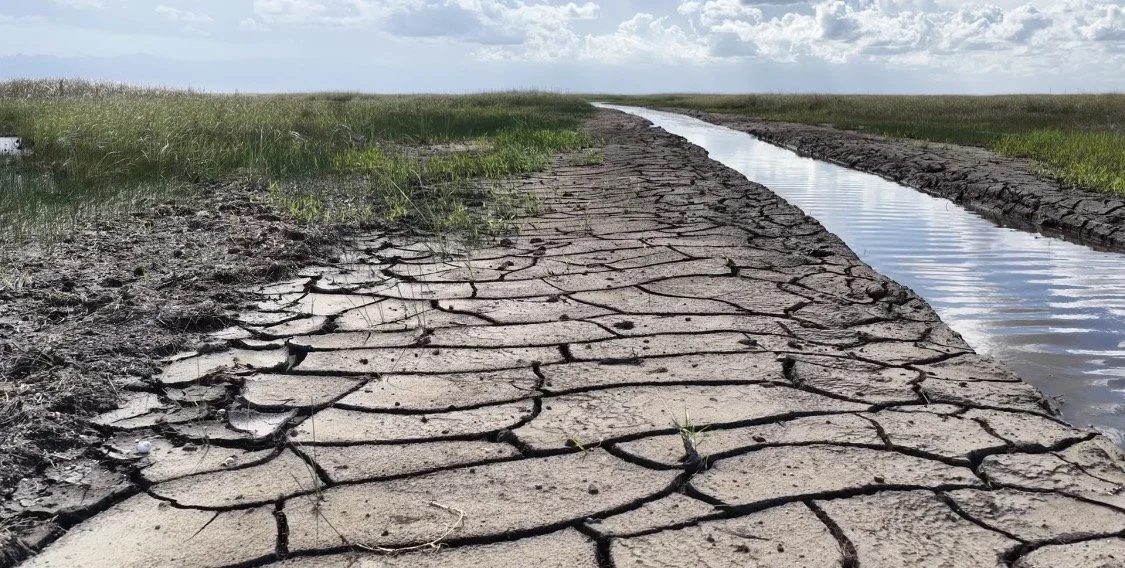
This summer CBS Miami came out on the water with me to cover the 2026 Everglades drought. On parts of my route, marsh that normally holds about 3 feet of water had turned into cracked mud, and the South Florida Water Management District put dry-season rainfall at roughly 33% below normal.
The day CBS Miami came out with me
I run Airboat Adventures Everglades and captain on our team. On June 21, 2026, I navigated my route for CBS Miami. The station followed up with a July 2, 2026 report on the drought. Conditions were still severe by then, but the marsh had been even drier on June 21.
Pointing to a dry section of my route, I told CBS: "There should usually be 3 feet of water standing right there." Across the marshes I see, the water was down by multiple feet. CBS also noted the low water lines you could see all over the area, and the cracked mud sitting where a lush, wet marsh normally is.
CBS Miami segment, July 2, 2026. Read the full CBS Miami story.
What the rainfall numbers showed
The story put numbers on what I was seeing. According to the South Florida Water Management District, rain over the Everglades ran about 33% below normal through the dry season. Everglades Foundation data showed just 1.9 inches fell between November and February.
Erik Stabenau, a scientist with the Everglades Foundation, told CBS the marsh needs steady rain all year to soak the soil again: "It's going to take more than one rain event to make up for two years of drought." He also pointed out that the reservoir being built south of Lake Okeechobee can't fix a dry year by itself. In his words, "Can't work with water you don't have."
How low water changes a day on an airboat
An airboat can run in very shallow water, but there's a limit. When levels drop like this, the usual paths stop working and I have to pick new lines, because some spots carry a real chance of getting stuck. That's what I told CBS, and it's why routes change with the water.
Here's what the dry spell looked like from the driver's seat:
- Places that are normally flooded turned into open mud flats.
- Marsh beds dried out and split into cracked plates under the sun.
- Wildlife packed into the smaller pockets of water that were left. CBS reported alligators hunting for deeper pools to sink into.
- Plants browned and thinned out earlier in the year than I'm used to.
If you're planning a trip and wondering how the season affects it, our guide to Everglades water levels covers what to ask before you book, and our water levels video shows how different the marsh can look.
Dry ground, faster fires
The drought also fed the fires that spread across Broward and Miami-Dade this summer. Stabenau told CBS the number of fires wasn't unusually high, but the ones that started were different: "they burn really, really deep and they burn really, really fast." Because they burn down into the soil, he warned the damage could take decades, or even centuries, to fully recover.
I saw one of those fires up close in June. I wrote about it in my account of the June 2026 Everglades wildfires. The Everglades Foundation also has a short explainer on how water shortages fuel wildfires.
Invasive species in a dry year
Pythons and other invasive animals are always on my mind out here. These are my own observations from the field, not a wildlife survey:
- In areas where I keep finding pythons, I'm seeing fewer raccoons, rabbits and birds.
- Chameleons and iguanas are turning up deeper in the Glades than they used to.
The research on pythons is much stronger than any one person's sightings. The U.S. Geological Survey links Burmese pythons to severe declines in native mammals in parts of the Everglades. I go into what I've seen this year in my 2026 python field notes.
Our own drought footage
We filmed the dry season on our YouTube channel too. Watch Everglades Drought 2026: the Glades are going dry and drought conditions versus the wet season to see the difference.
See the Everglades from an airboat
Our tours run outside Everglades National Park, on the Tamiami Trail side, so our captains can legally bring you closer to alligators, wading birds and other wildlife than park rules allow. Every tour is private, so the boat and the pace belong to your group. You ride with one of our USCG-licensed, CPR and first-aid certified local captains, a team I lead and captain with. Water levels shape the route on every trip, and we'll talk you through conditions for your date.
Daytime, sunrise, sunset and night tours can be booked online on our booking page, or call (305) 766-1929. Compare options on our tours and prices page. Kids 5 and under ride free, and you get a full refund if you cancel at least 24 hours before your tour.
Drought questions
What did CBS Miami report about the 2026 Everglades drought?
In its July 2, 2026 story, CBS Miami described cracked mud where the marsh is usually under water. It cited the South Florida Water Management District for dry-season rainfall about 33% below normal and Everglades Foundation data showing only 1.9 inches of rain from November to February.
Can you still take an airboat tour when water levels are low?
It depends on conditions for your date. In dry spells our captains change routes to stay out of spots where an airboat could get stuck, and wildlife often gathers around the deeper water that is left. Call (305) 766-1929 to ask about your date. Weather cancellations get a full refund.
Where does Airboat Adventures Everglades run its tours?
Our tours run outside Everglades National Park, on the Tamiami Trail side, from our dock at 5334 FL-90 in Miami. Outside the park, our captains can legally bring you closer to wildlife than park rules allow.
YOUR GROUP. YOUR ADVENTURE.
Let’s plan your Everglades tour.
Request availabilityBook available tours online with full payment. For custom trips, request availability or call us to arrange your itinerary, price, and payment.